 pcx


post-cortex.memory
Records, search, the graph, documents and blobs.
problem_solvedThe order confirmation email went out before the payment was captured claude-code · 3 h
Early access · hosted or self-hosted
Memory, a board, teams of agents, workflows and 20 modules in one host, each with only what a person grants. From €12 a month.
Get early access Read the docs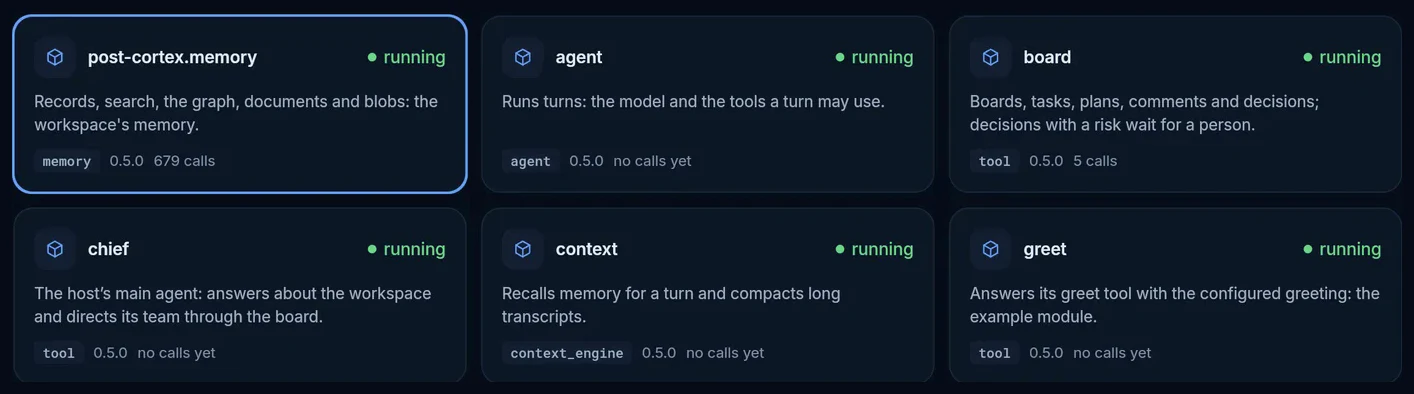
Turn on what your agents need: memory, a board, agents, workflows, mail, HTTP. Each module declares its tools, a person grants what it may reach, and the host checks every call. See every module
post-cortex.memory
Records, search, the graph, documents and blobs.
claude-code · 3 hboard
Tasks, plans and decisions; a risky one waits for a person.
workflow
Steps over every module’s tools, each one kept.
Recalls memory for a turn, compacts transcripts.
Agents with roles, in teams a person trusts.
The main agent: answers and directs the team.
Runs turns: the model and the tools a turn may use.
Instructions for agents and people, each an MCP prompt.
OpenRouter, Anthropic, Z.AI and OpenAI, with your key.
Jobs at set times: a script or a board task.
Signed events from outside become workflow runs.
Your Python or TypeScript, run as approved.
Outside APIs, with your credentials kept.
Mail through your own transport, from templates.
 telegram
Messages and approvals in a Telegram chat.
Metrics, logs and alerts of the systems you run.
Typed changes to a system, each one approved.
Reads and writes under granted roots.
Commands and tmux sessions in a sandbox.
Status, diffs, branches, commits and pushes.
More modules are on the way.
Build a moduleEach decision, fix and change is a typed record with its author, entities and date. A newer record ends the old one, and the history stays. Read the concepts
claude-code · 3 hclaude-code · 34 min cursor · 3 hcursor · 3 hcursor · 3 hclaude-code · 3 h
The email job ran on order.created. It now waits for the Stripe webhook payment_intent.succeeded, so a declined card no longer gets a confirmation. Tested with the declined test card.
RELATIONS
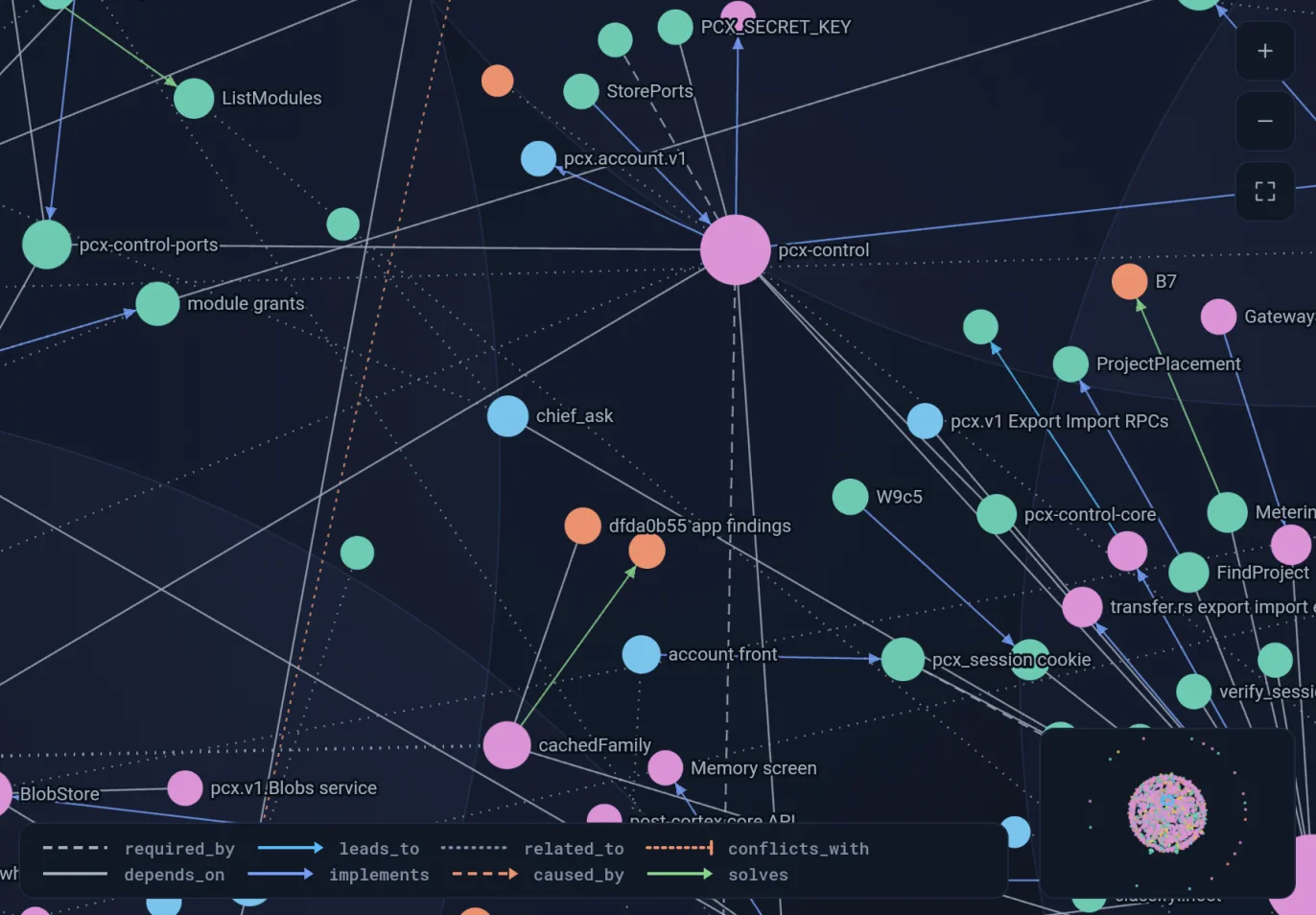
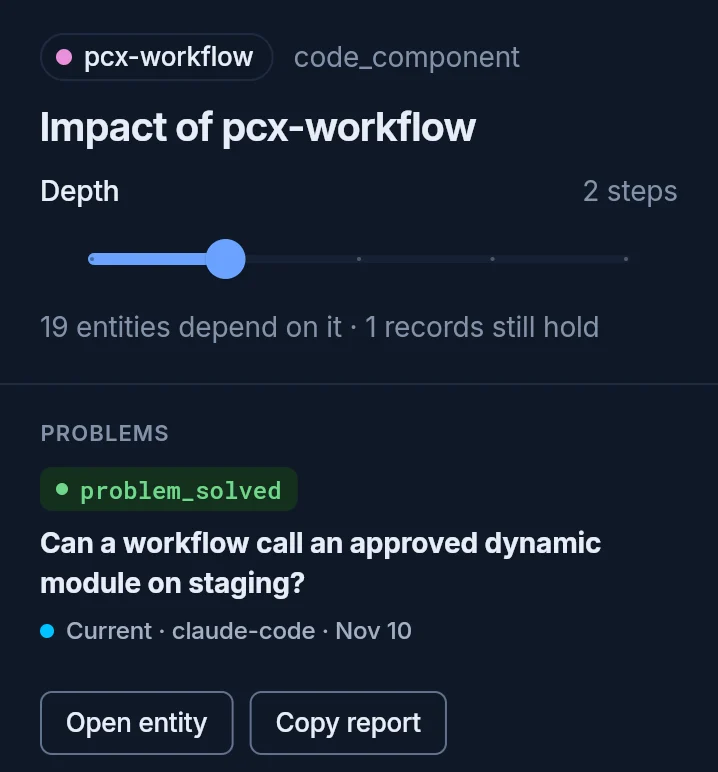
solvesearly confirmation emaildepends_onStripe webhooksrelated_toRefund through Stripe to the original cardWe asked what a change to the code that saves sessions would touch, on post-cortex itself: 250,000 lines of Rust.

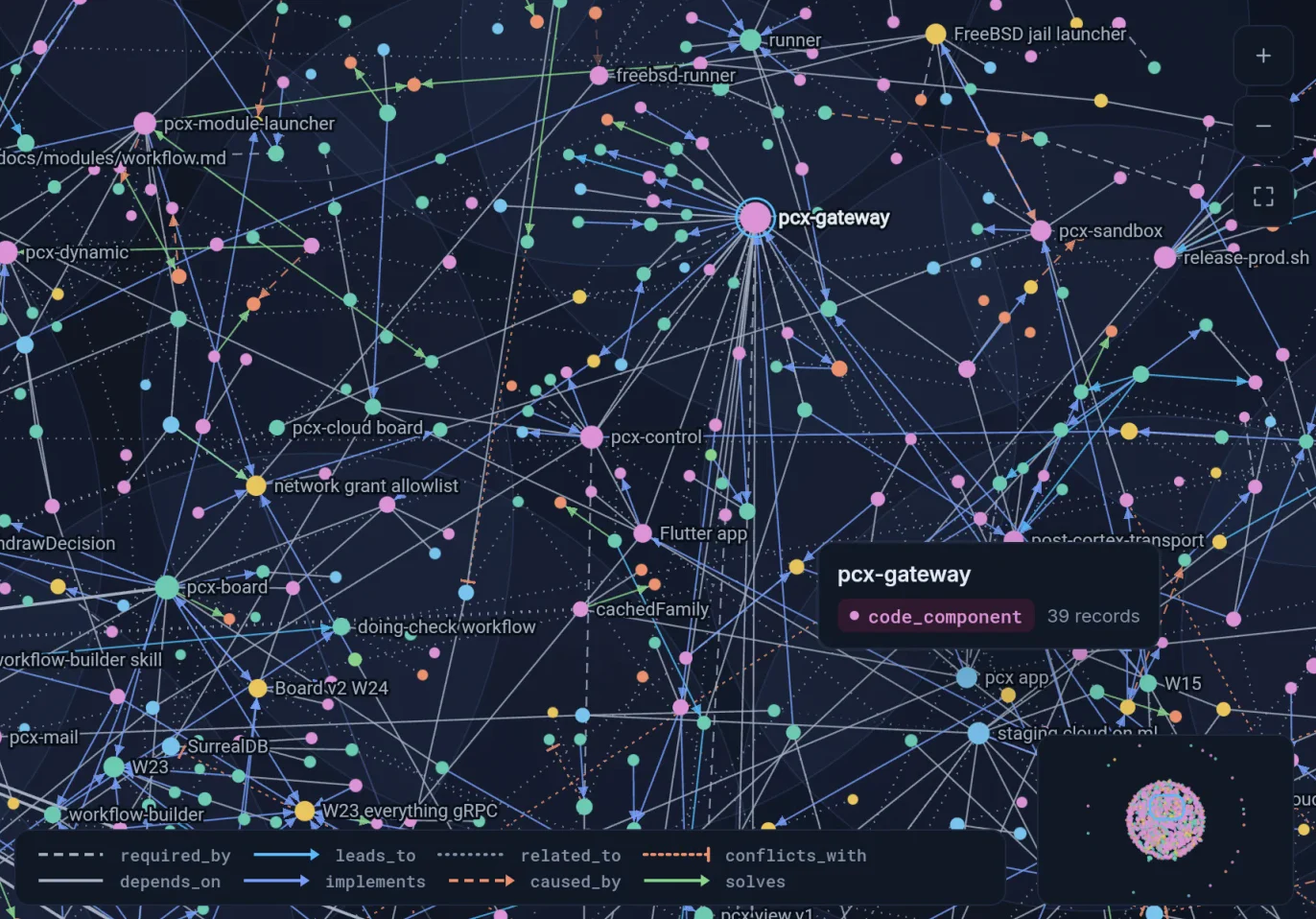
What your agent finds, you can look at.
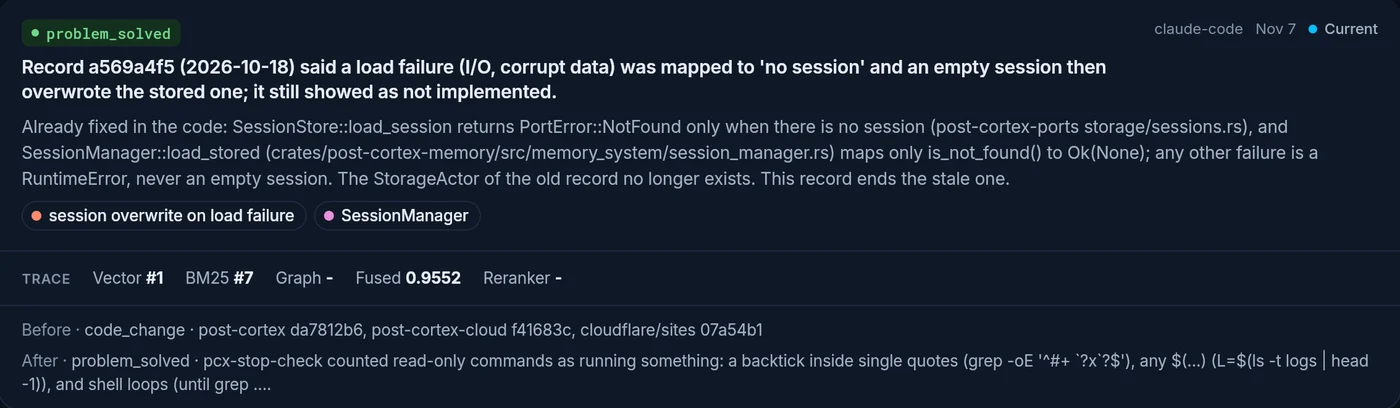
Asked why a stored session got wiped, it found the record written as “a load failure was mapped to no session”, in 31 ms.
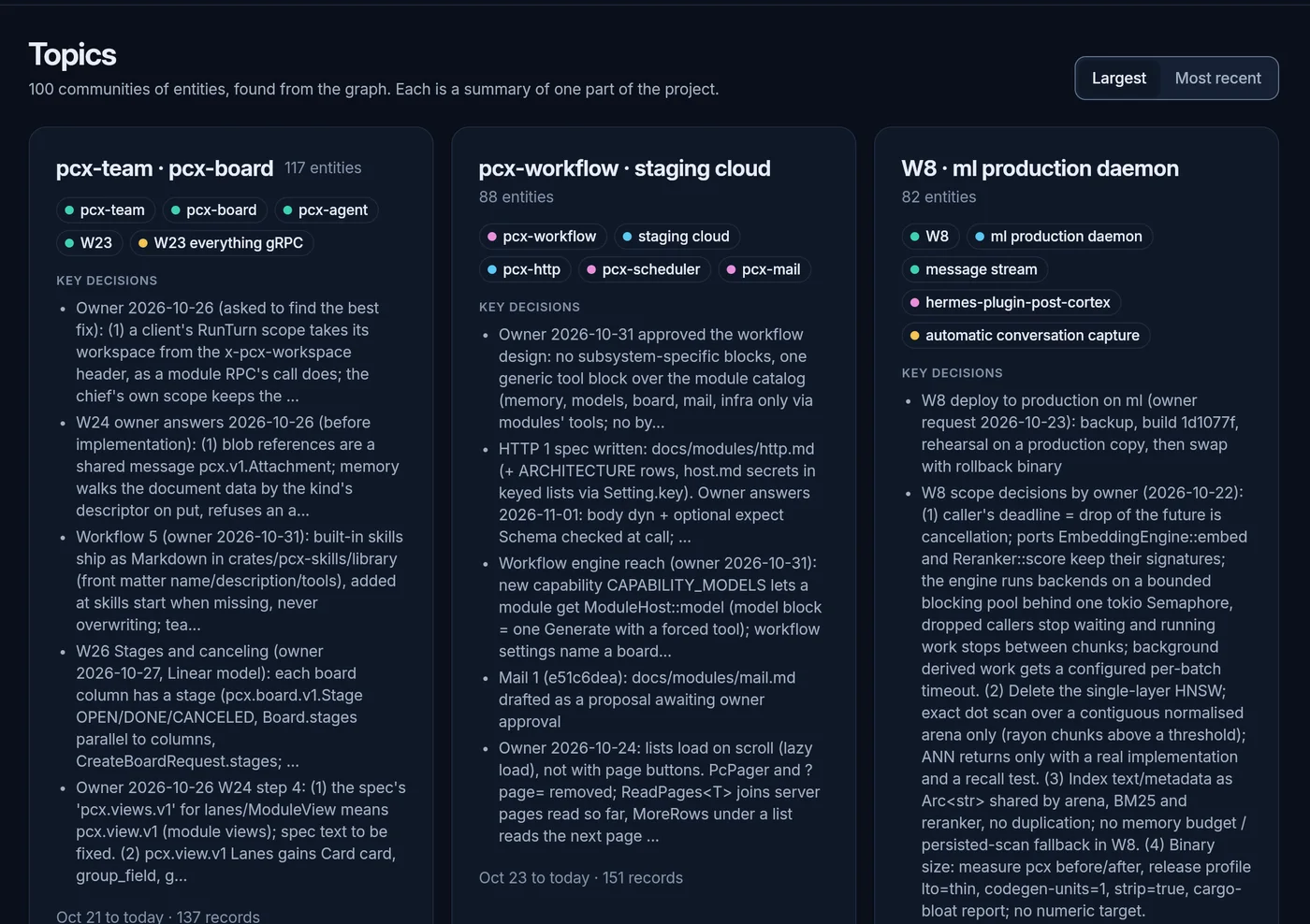
Read how search worksThe graph groups itself: 100 topics in one workspace, each with its key decisions.
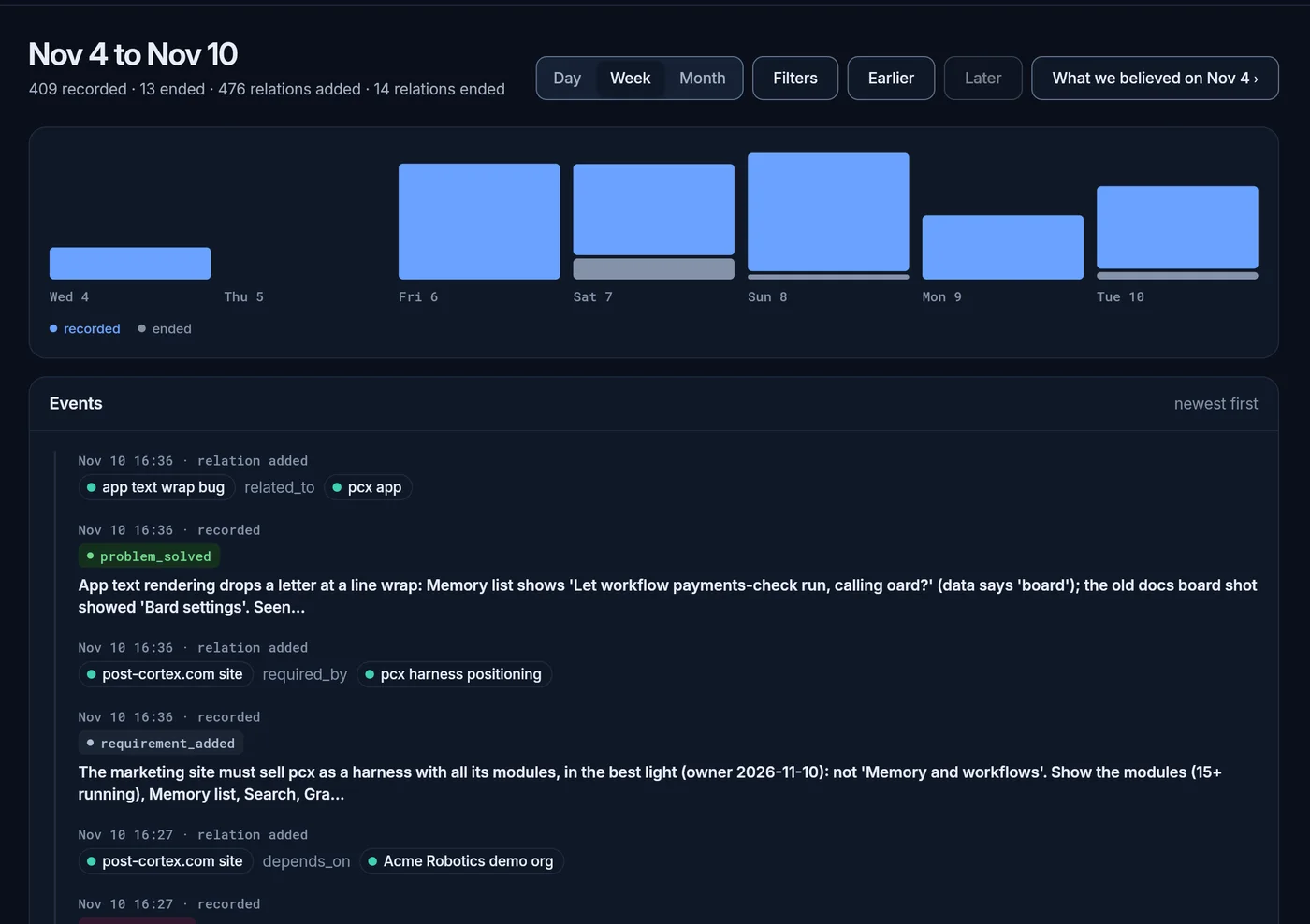
Read about topicsA week as it was written: 409 records, 13 ended, 476 relations added.
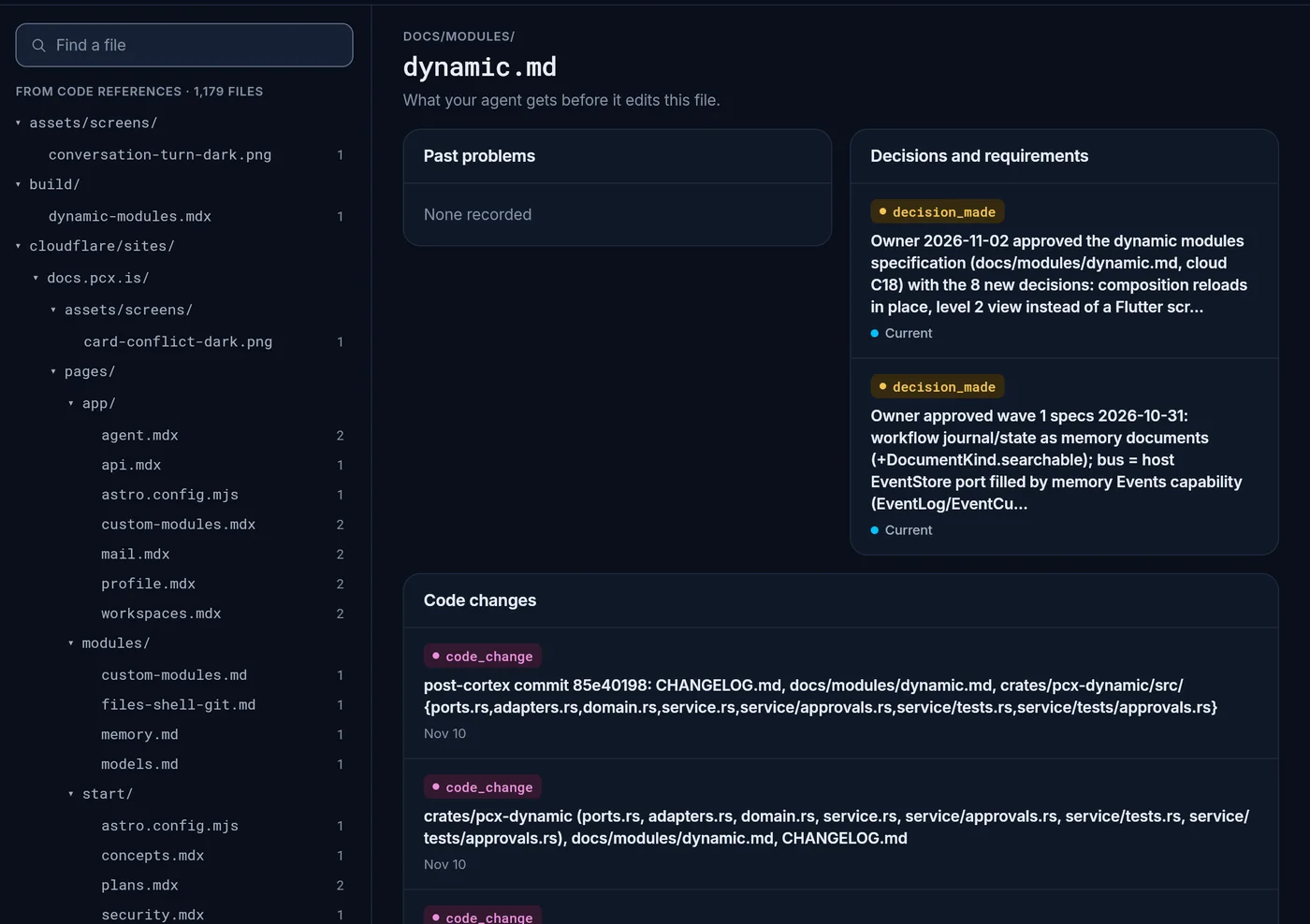
Read about the timelineWhat your agent gets before it edits a file: its past problems, decisions and changes.
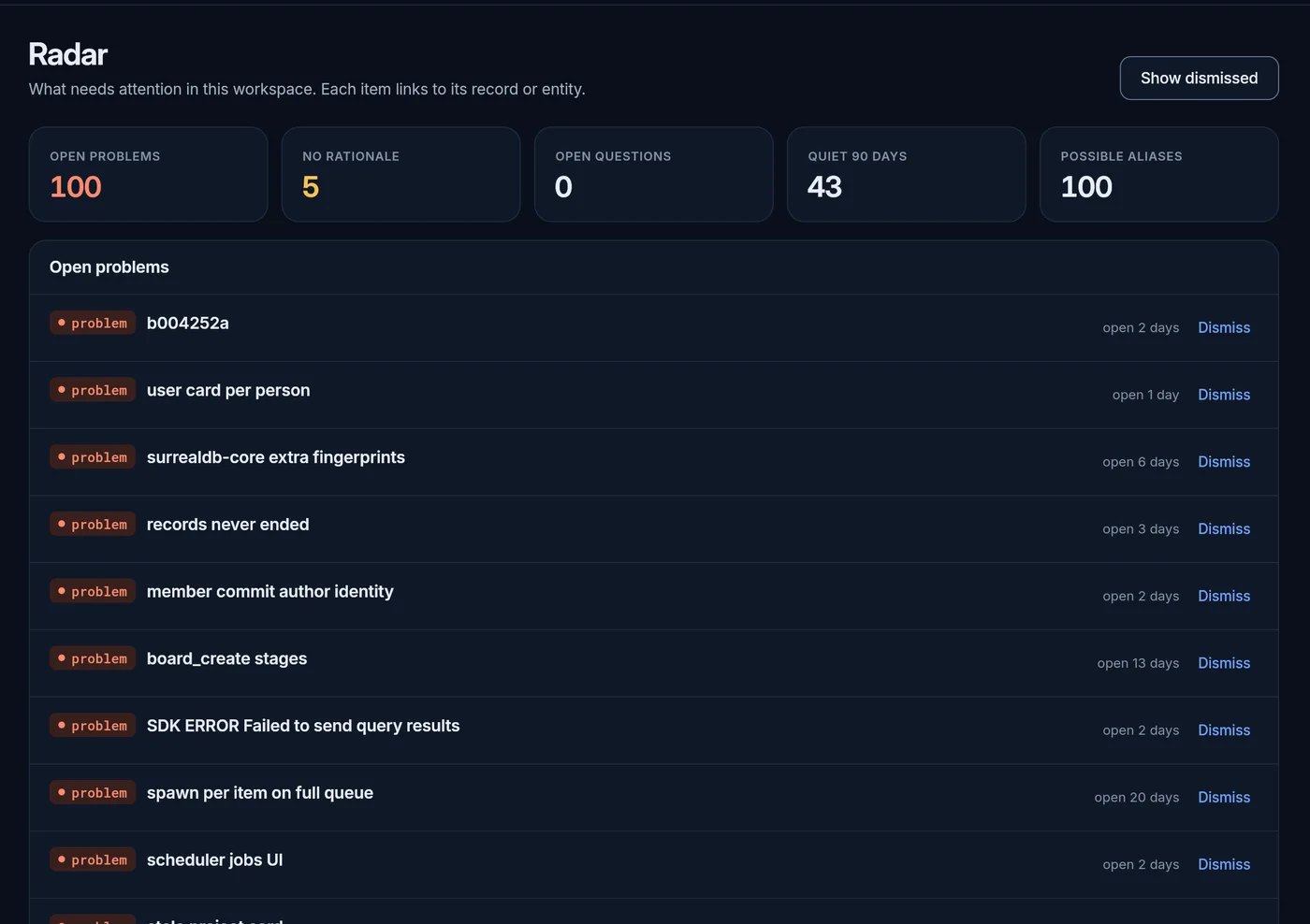
Read about filesWhat needs a look: open problems, decisions with no reason, entities gone quiet.
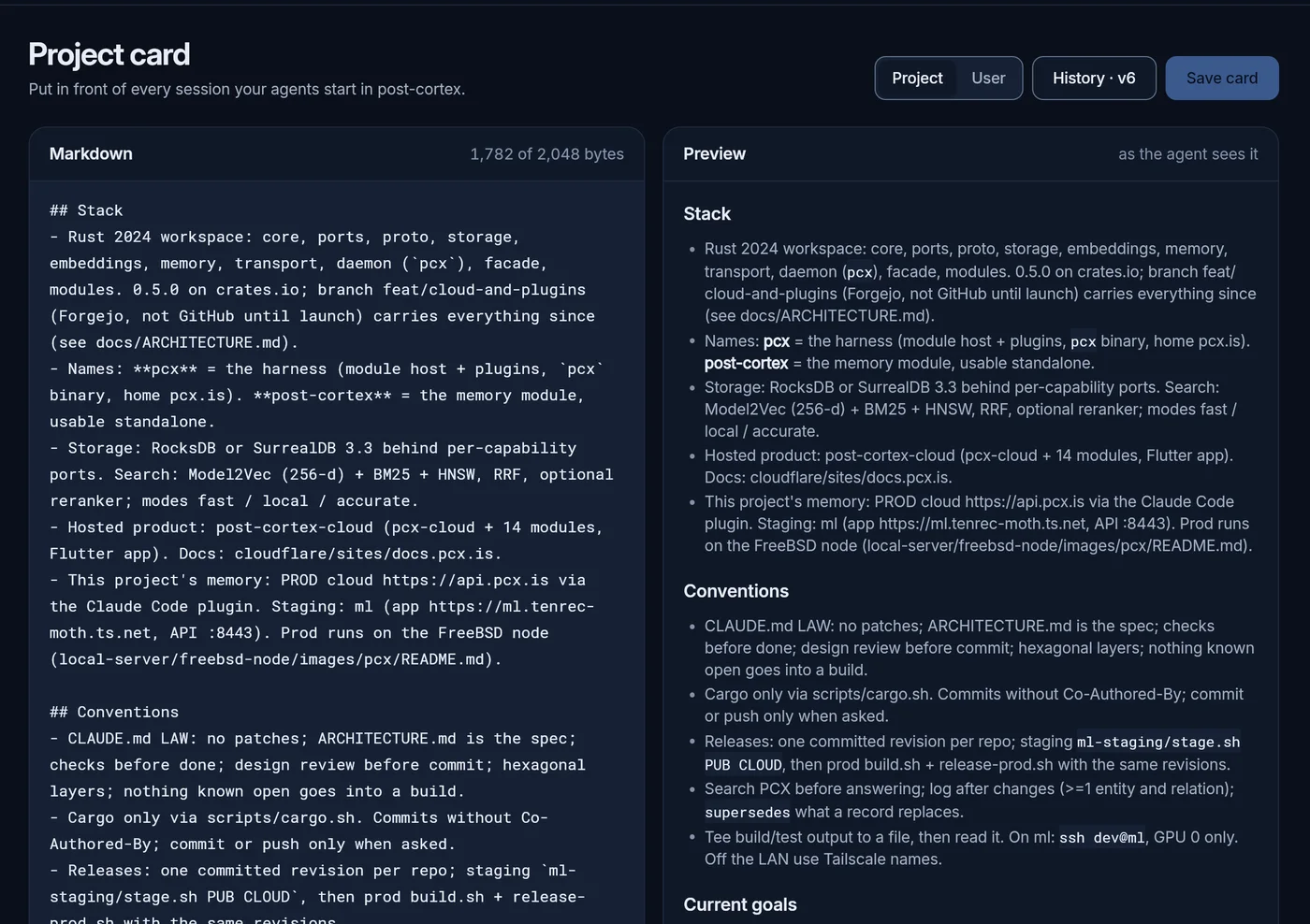
Read about the radarThe project card, in front of every session, as the agent sees it.
Read about cards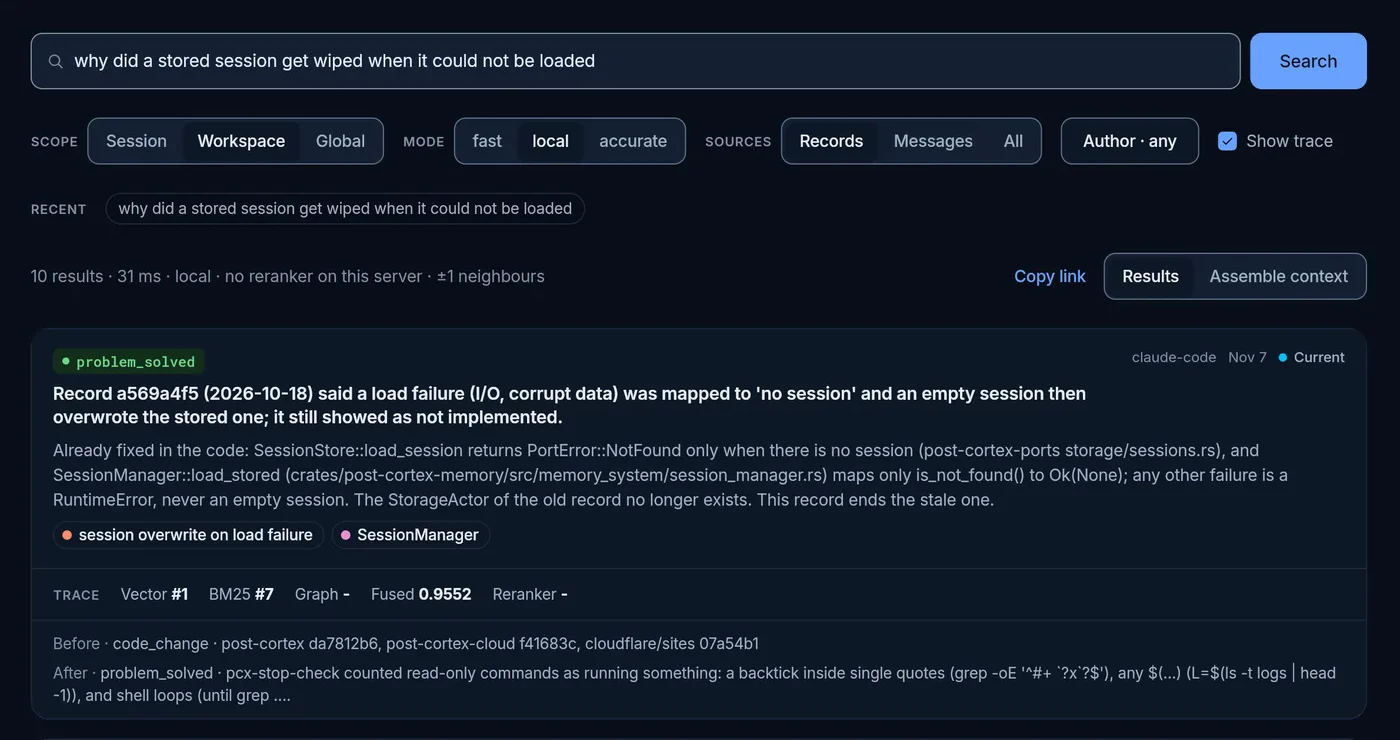
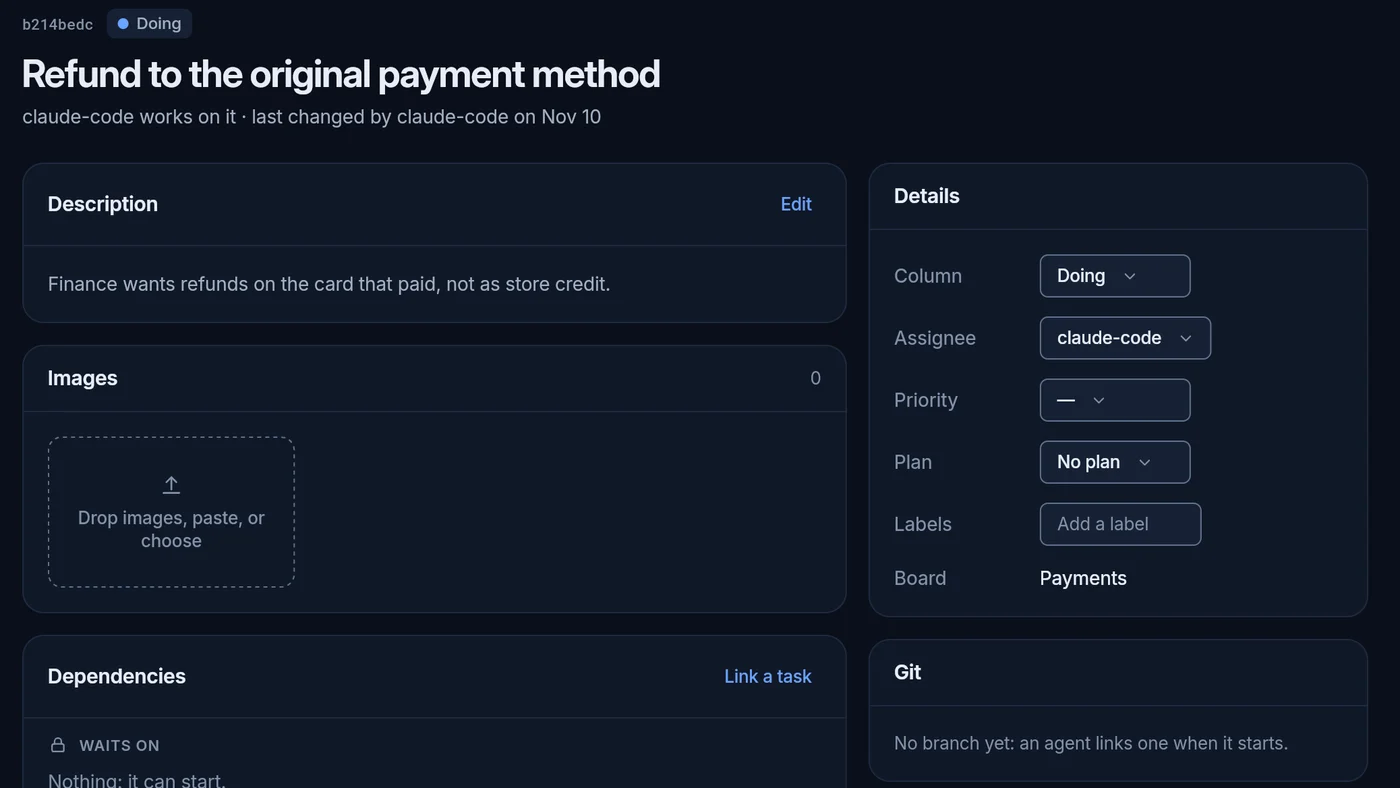
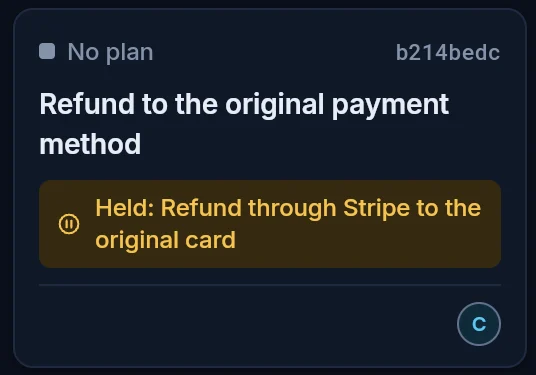
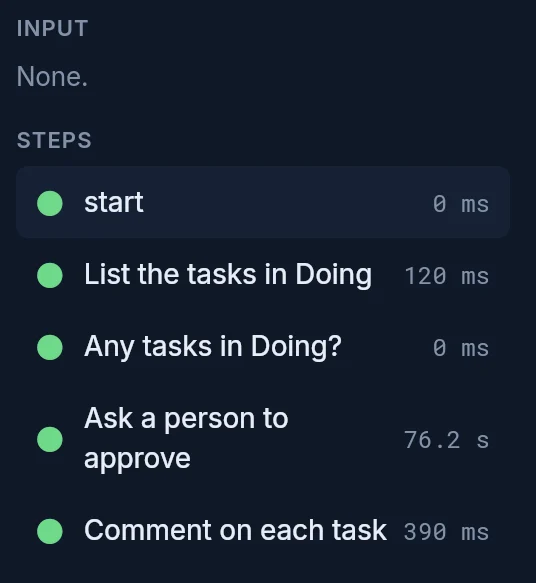
They work the same tasks. A decision on money, code, data or operations holds its task for a person in Approvals. Read how the board works
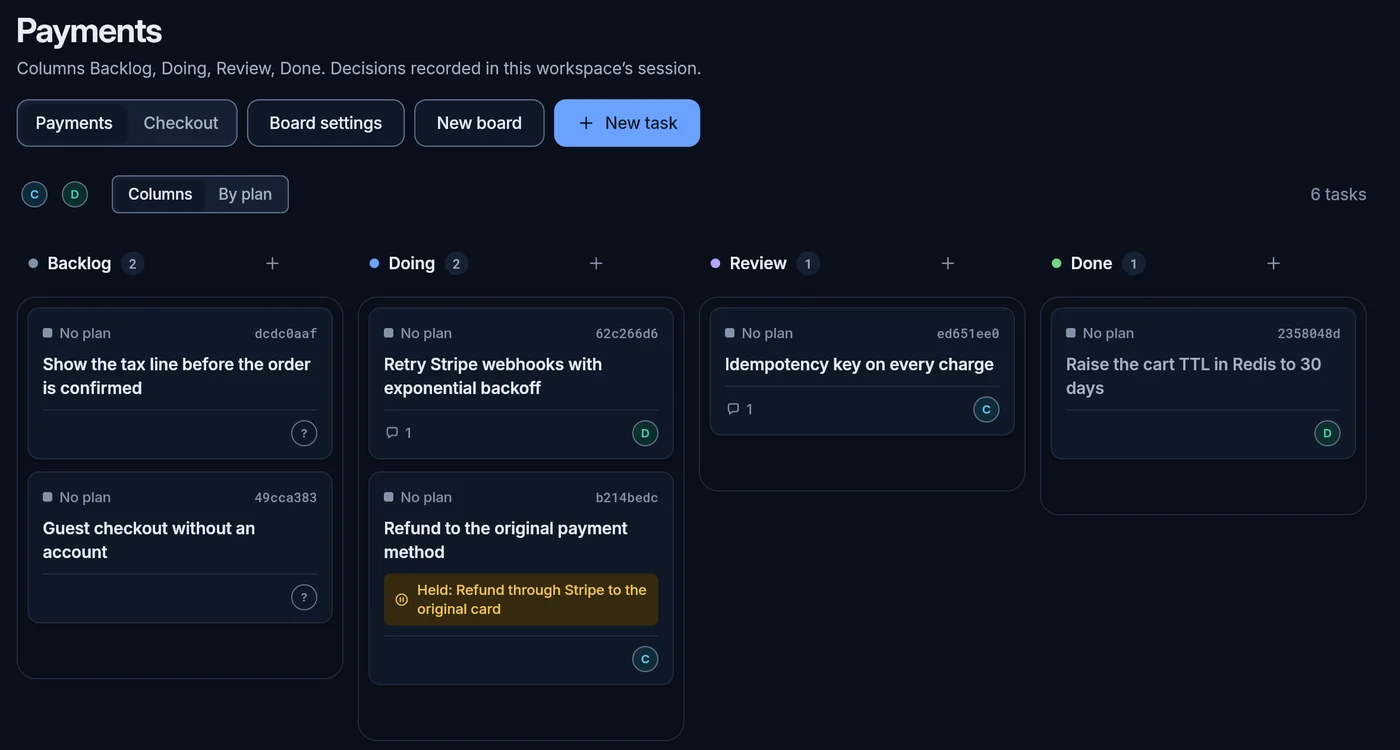
Refund through Stripe to the original card
Why: Finance asked for it, and the Payment Intent already holds the card.
holds b214bedc500 EURThe policy would not approve it: claude-code is in no team of the workspace: a person approves
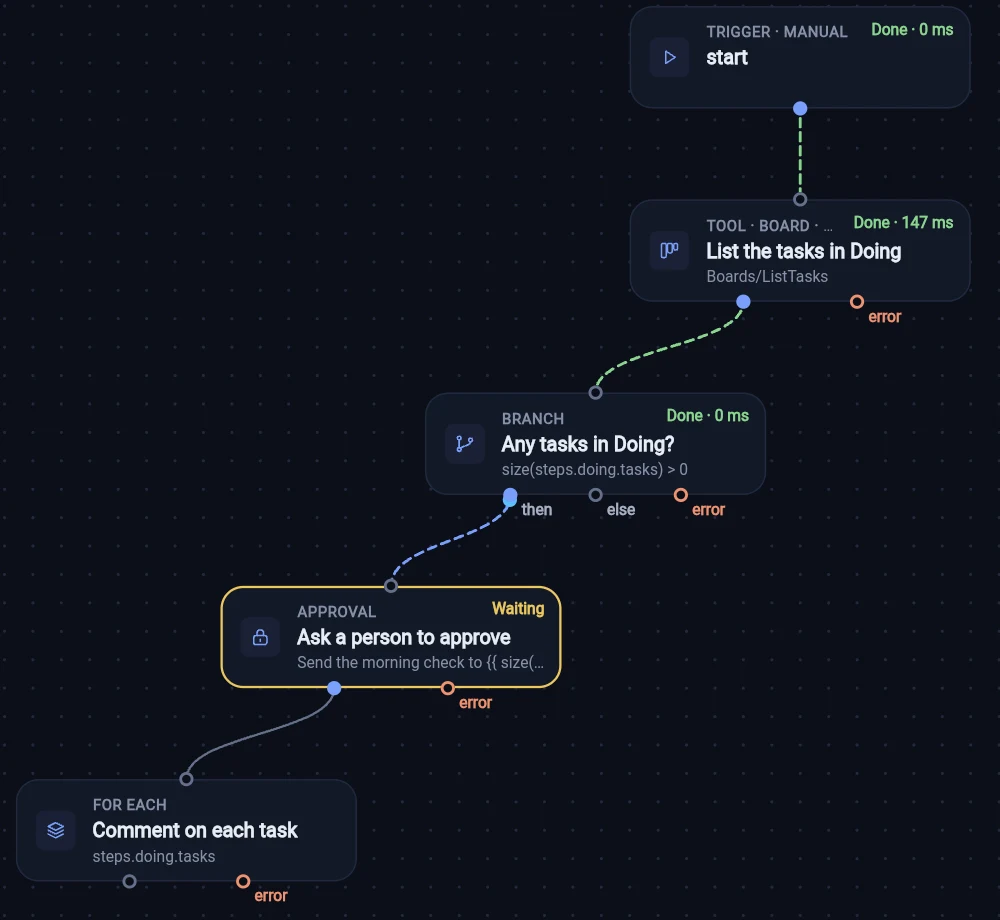
The same steps every time, only through the modules a person approved, each step kept with its time. Read how workflows run
It writes the steps, checks them and runs them dry.
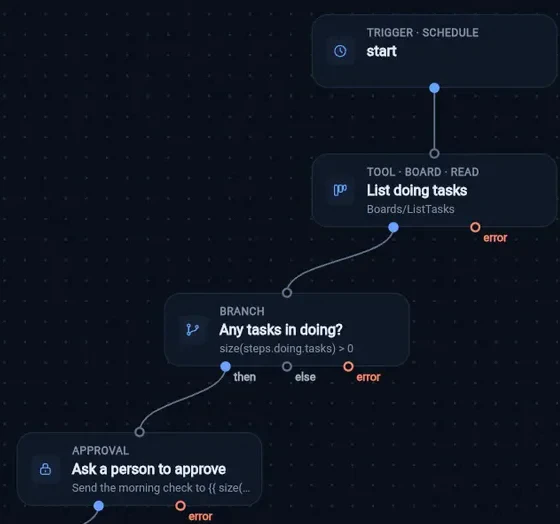
Nothing runs before a person approves it.
Let workflow payments-check run, calling board?
board · ListTasksreadboard · CommentwriteA restart goes on where it stopped.
What Claude Code decided this morning, Cursor knows this afternoon. Each agent writes as itself, and every record keeps its author.
pcx loginonce per machine, then open the projectMCPany client that speaks it, local or hosted0 callsno model call to store a memoryA module asks for its grants. A person approves them, and the host checks every call. Here an HTTP step asked for an address on the machine itself, and was refused. Read the security page
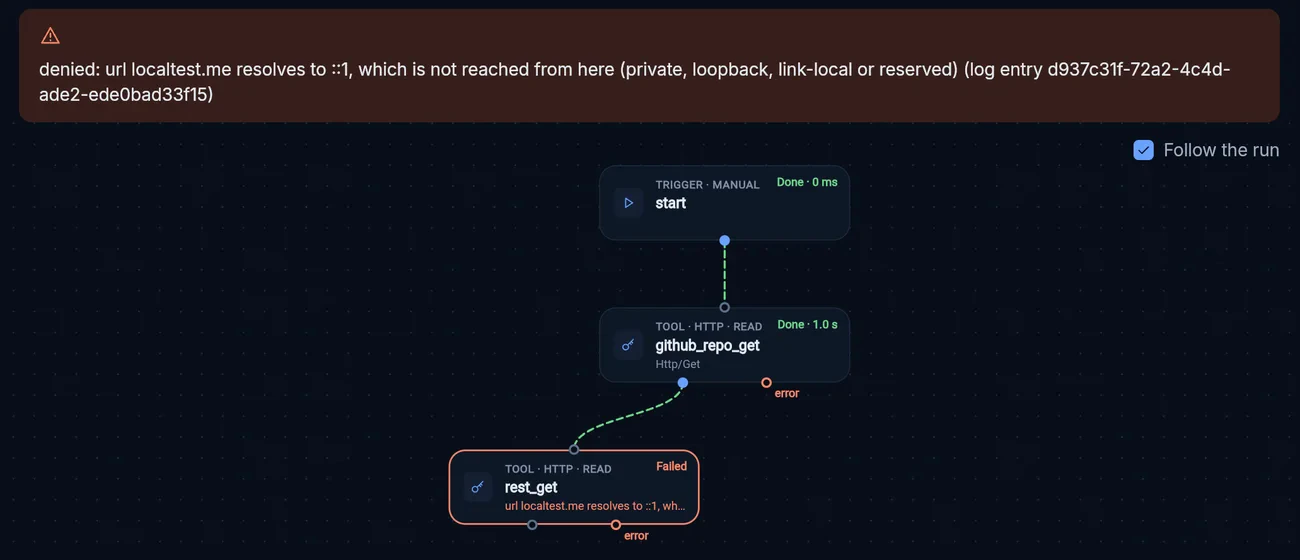
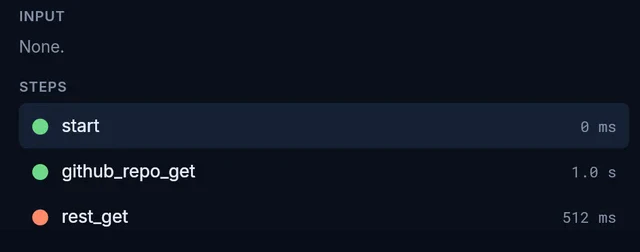
memoryread and write recordsnetworkpublic addresses, never loopbackfilesonly the roots it was givenFor one person trying it on a project
€0no card
Get early accessFor one person with several projects
€12a month, or €120 a year
Get early accessFor 2 to 25 people sharing workspaces
€12per person a month
Get early access

 Run pcx on your machine, free and open source under MIT, with no limits of ours.Read about the daemon
No. Your agent already understood the work. It writes the record, and pcx stores and embeds it at once.
Any client that speaks MCP: Claude Code, Cursor, Codex CLI, Gemini CLI, VS Code, Windsurf, Zed and OpenCode.
In our cloud, on your own machine reached through us, or only on your computer. An export moves it between them.
Nothing stops. Writes go on more slowly, and the app warns you before you get there.
pcx is in early access. Leave your email and we write when your account is ready. Until billing opens, nothing is charged.